

Contemporary art between italy and aotearoa NEW ZEALAND
One of the questions I get asked most often is: what are the main differences between the art world in Italy and in Aotearoa New Zealand?
As summer draws to a close in the Southern Hemisphere, I’d like to share a few reflections on the role of and approaches to contemporary art in the two countries I call home, alongside some images from exhibitions I visited around the North Island over the past Aotearoa summer.
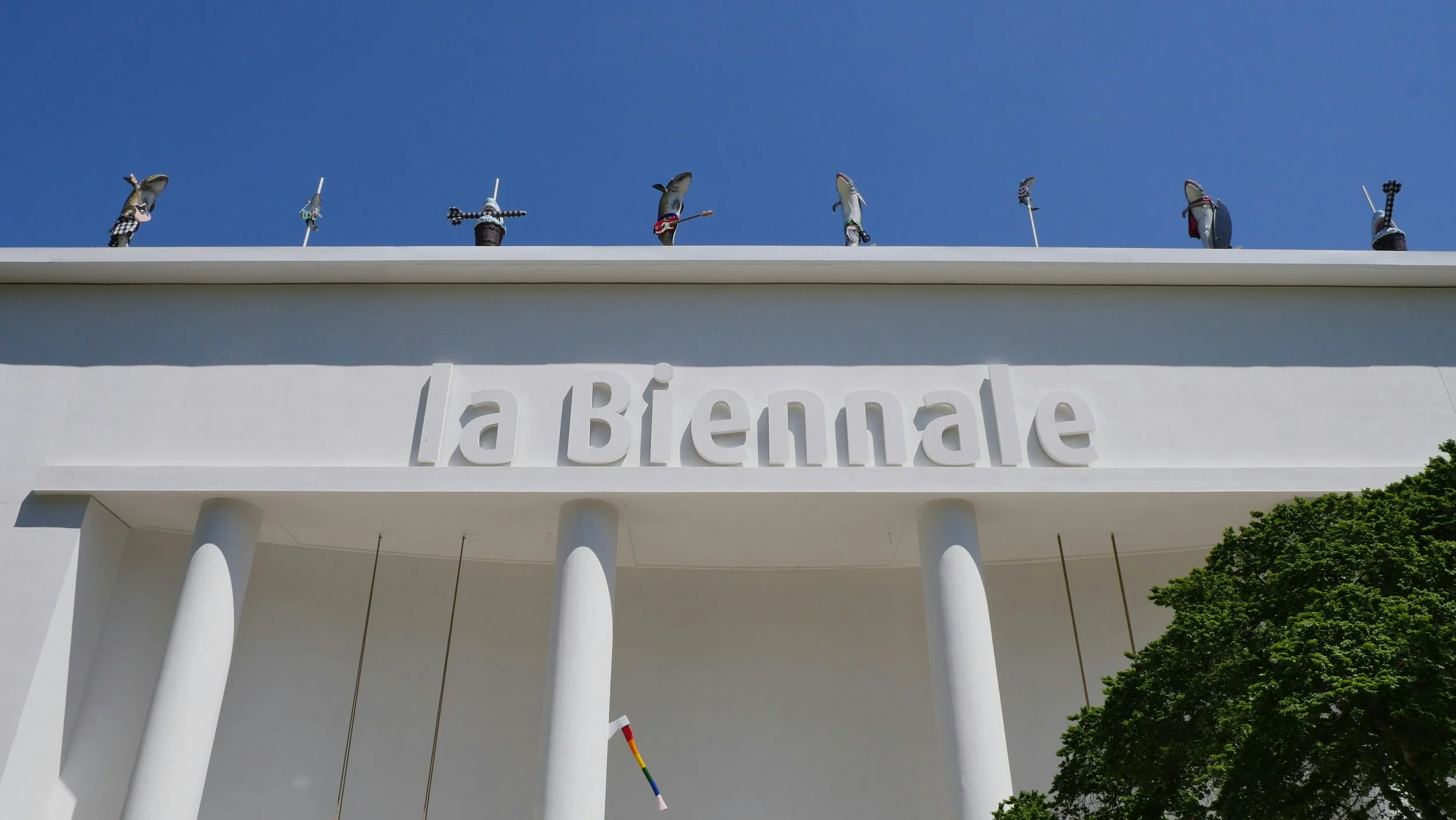
The International Exhibition of the 61st Venice Biennale, curated by the late Koyo Kouoh, will feature work by 111 artists, none of whom are Italian. Since the announcement, many Italian artists, collectives, galleries and members of the press have criticised the Biennale committee, accusing it of “xenophilia”.
Is it really xenophilia, though? My involvement in the Italian art ecosystem suggests otherwise, especially when compared to my experience of the New Zealand cultural sector.
The art community in Aotearoa is incredibly dynamic. Artists have opportunities to experiment, to learn from one another, and to grow through schools, residencies, and exhibitions. Over the summer I travelled around the North Island and visited a number of galleries: every single one presented thoughtful, engaging exhibitions. Programmes felt both locally grounded and internationally aware, with galleries championing local voices while also presenting artists from abroad. Contemporary art in Aotearoa feels alive because it is embedded in community.
In Italy, by contrast, two structural issues often hold the contemporary sector back. The first is perception: contemporary art is frequently seen as “minor” compared to the country’s immense and extraordinary historical heritage. While that heritage is invaluable, the comparison can leave contemporary artists with fewer opportunities and fewer spaces to experiment, particularly for emerging practitioners.
The second issue is the weakening of community. As globalised cultural models take hold, Italy is gradually losing some of the local traditions, dialects, and cultural expressions that once nourished artistic practice. Creating work about these forms of identity is rarely considered “cool” or relevant anymore — a stark contrast with the strong sense of cultural exchange and collective identity that shapes artistic practice in Aotearoa.
Political pressure also play a role. In recent years, the current Italian right-wing government has increasingly tightened its influence across media and cultural sectors, creating an environment where freedom of expression can feel more constrained.
I don’t believe the absence of Italian artists in the curated exhibition at the Venice Biennale is a matter of “xenophilia”. The issue runs deeper, and is tied to the structural conditions that shape and nurture the contemporary art ecosystem in Italy today.
Visiting galleries across Aotearoa this summer reminded me how fortunate I am to be part of this art community. Here, artists and practitioners have platforms and support to make work, collaborate, challenge each other, and ultimately express their ideas.
— Giulia Pianelli